Piano Lessons, Music Direction & Event Music in Ann Arbor and SE Michigan
Author: Ezra Donner
Ezra Donner is an American composer, conductor, pianist, and teacher. He serves as Music Director at The Birmingham Temple Congregation for Humanistic Judaism in Farmington Hills, Michigan, and teaches at Ada Conservatory of Music in Ada, Michigan.
Congratulations to my student Miguel, who earned a perfect score of 100/100 at last Saturday’s Solo & Ensemble Festival!
Miguel performed Frédéric Chopin’s Etude Op. 10 No. 5 (“Black Keys”), one of Chopin’s most famous and technically demanding études. The piece requires exceptional control, clarity, and musical shaping, and Miguel rose to the challenge with confidence and artistry.
In addition to his prepared solo, Miguel was also evaluated on scales and sight-reading, receiving full marks in every category. The adjudicator praised his musicianship and wrote, “You are an incredible musician!”
Preparing for events like Solo & Ensemble requires weeks of focused practice, attention to detail, and a willingness to keep refining the music even after it is mostly learned. Miguel’s dedication and hard work truly paid off.
Congratulations again, Miguel! I’m very proud of your accomplishment.
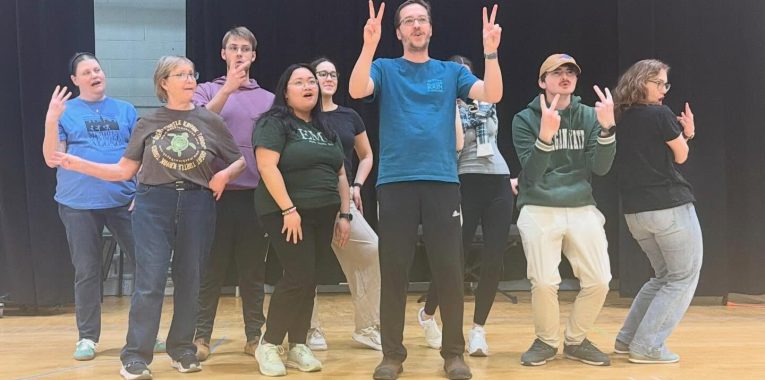
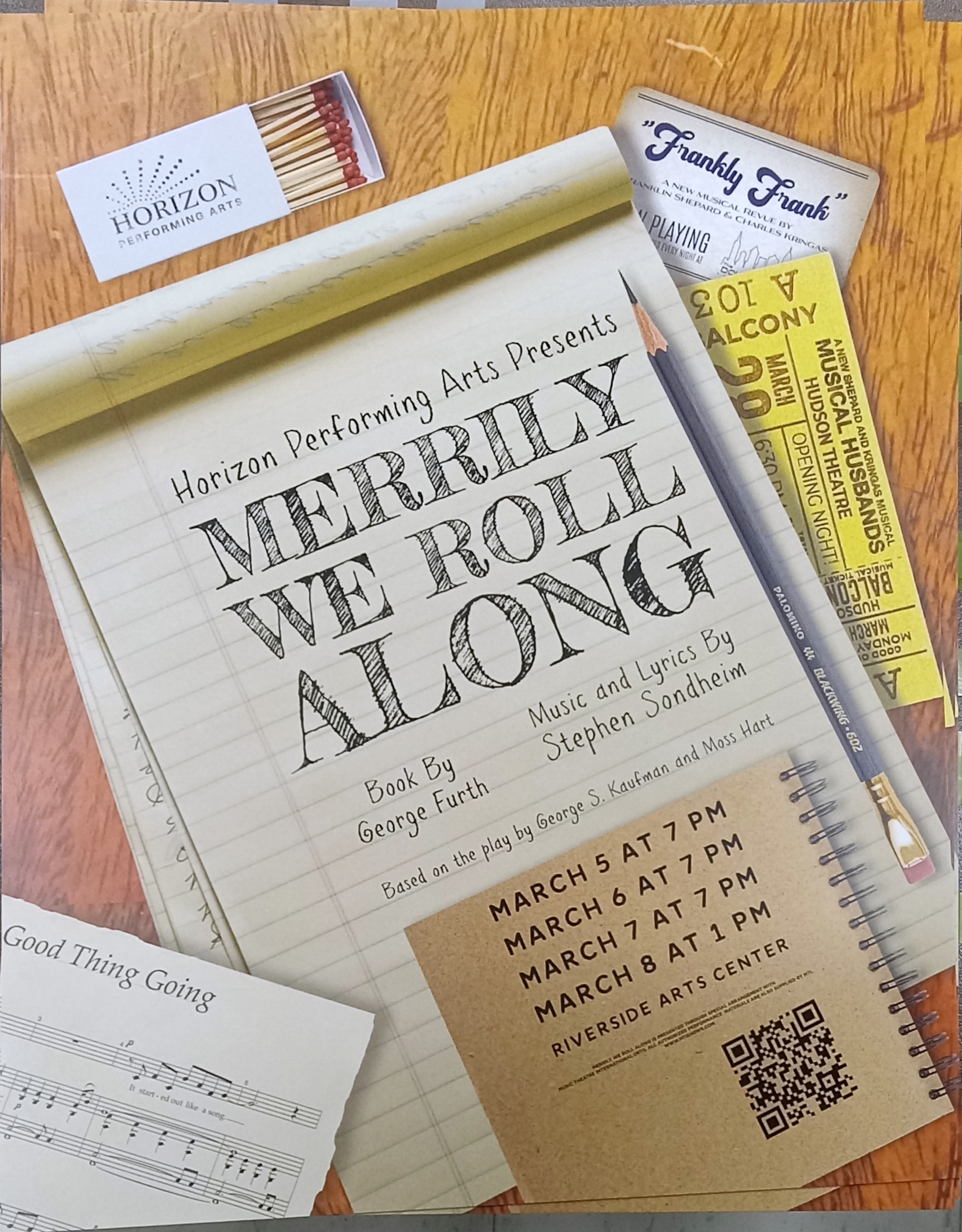
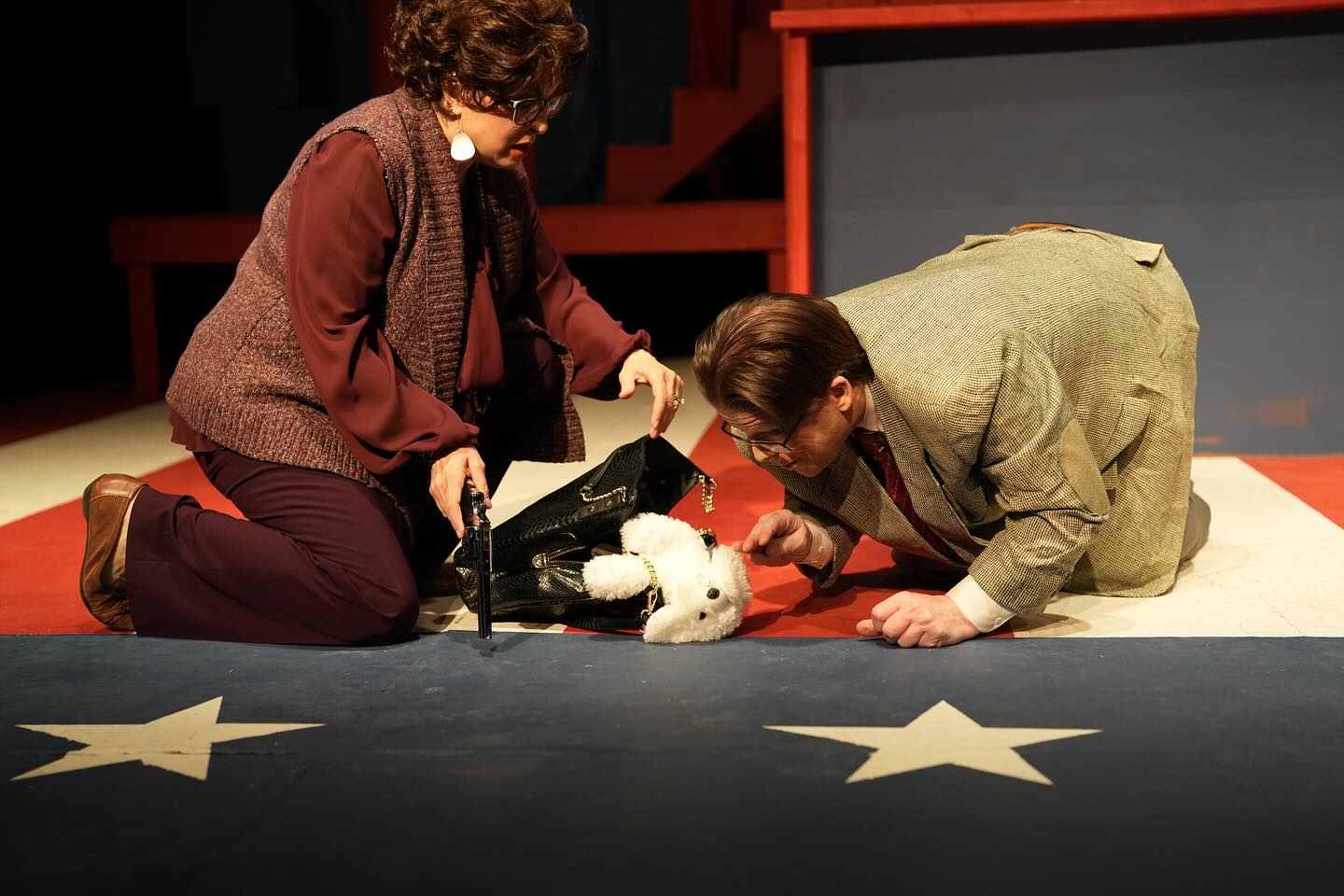
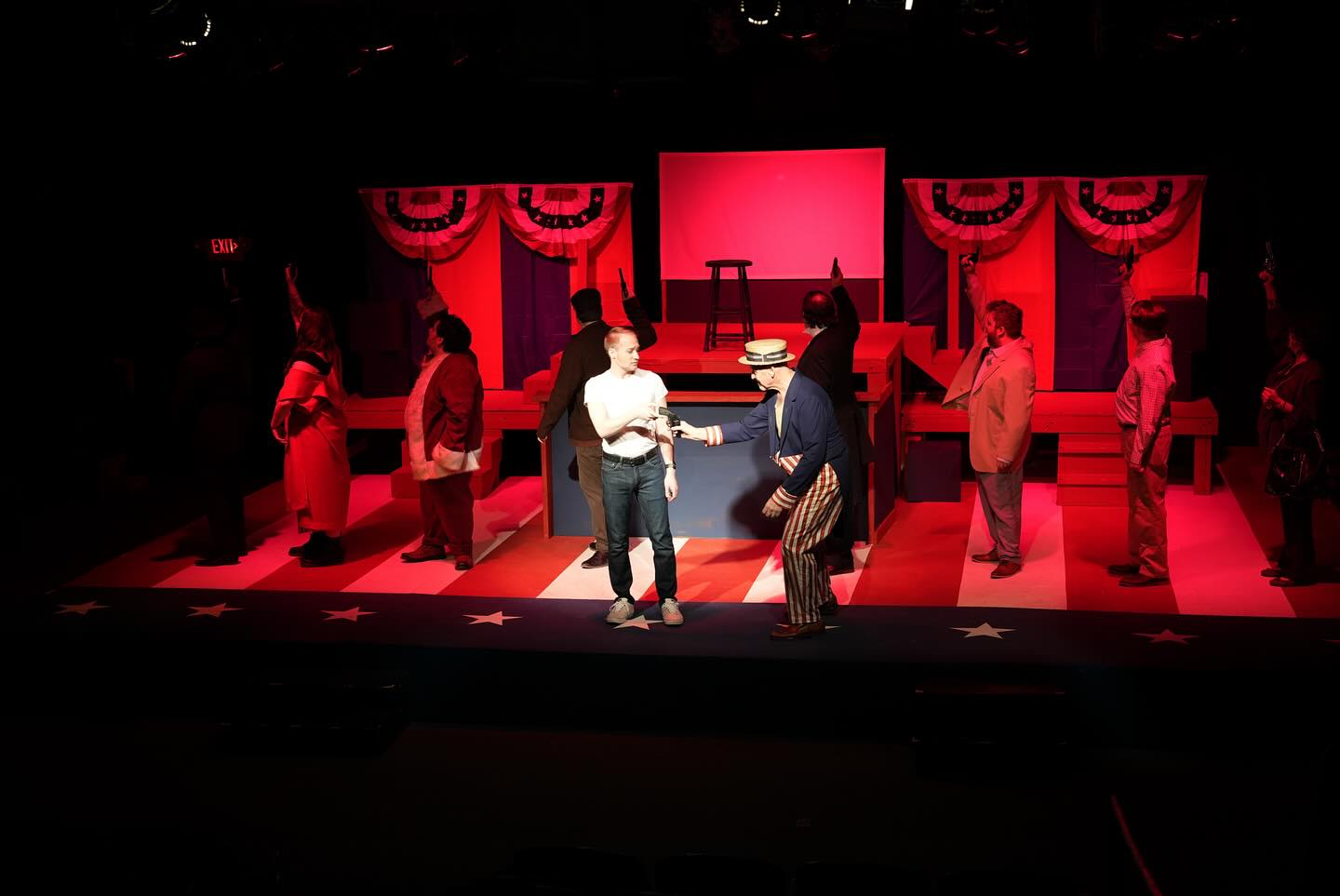
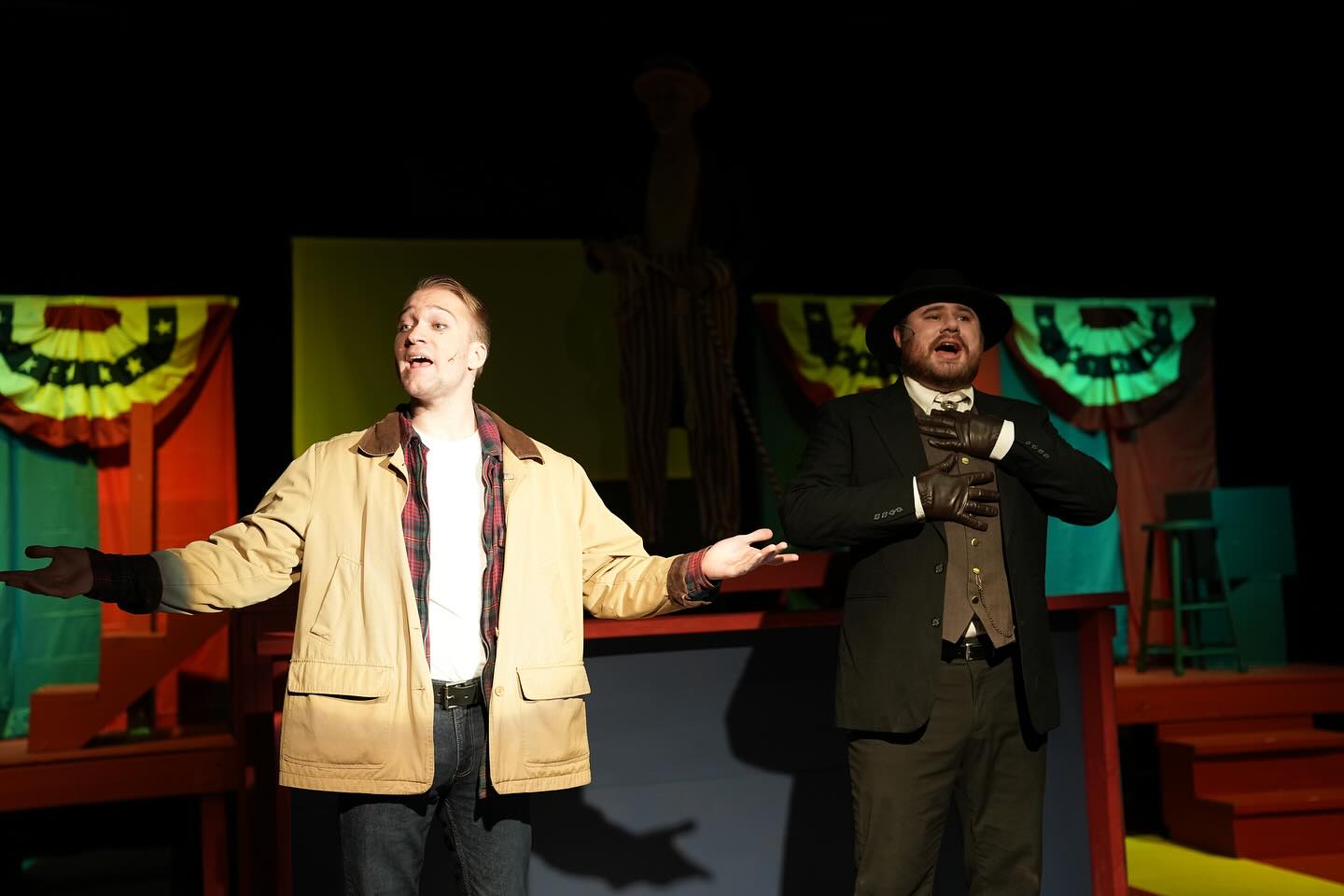
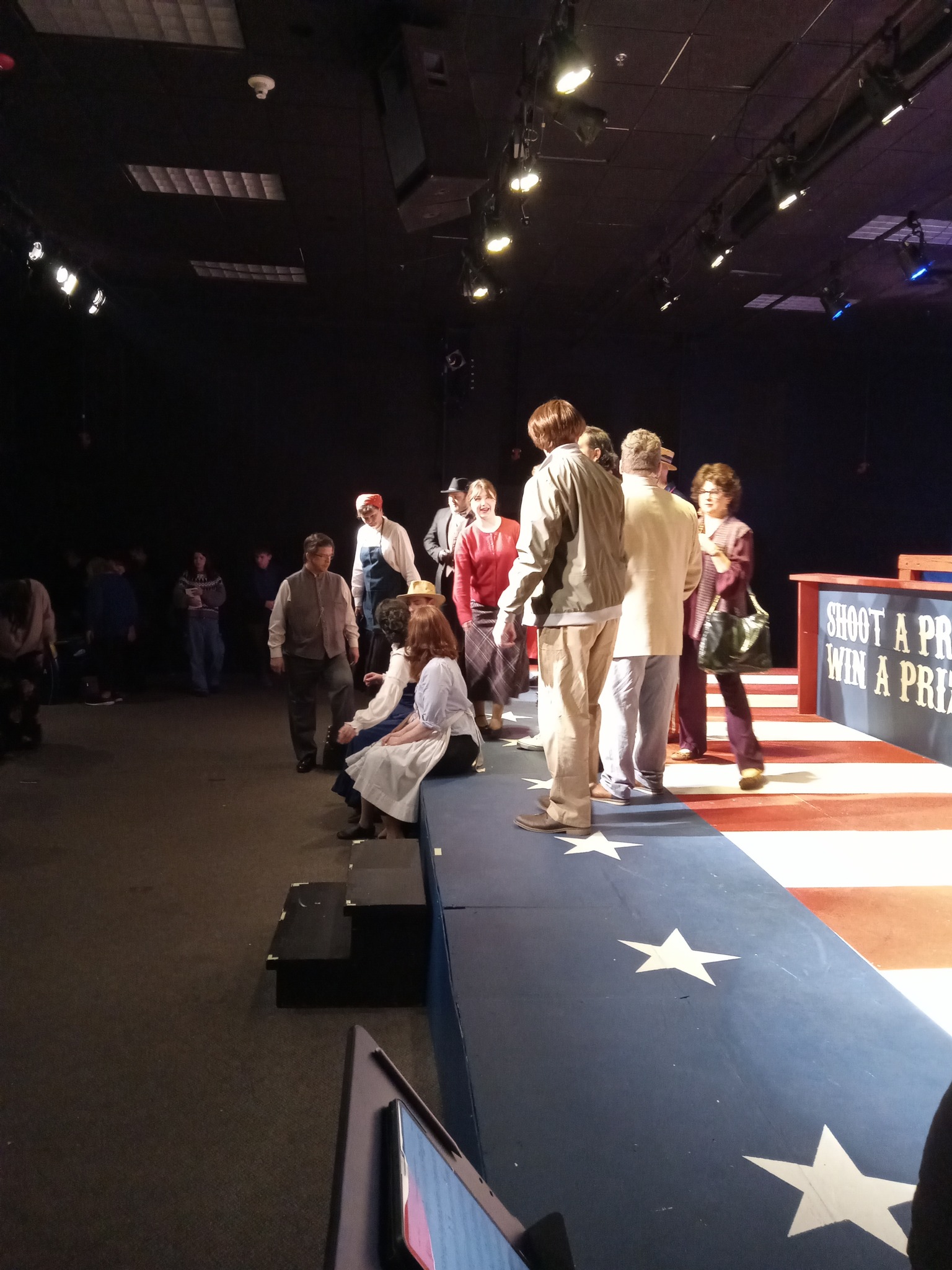
Next weekend I’ll be music directing this great production at Riverside Arts Center with Horizon Performing Arts! This is my second collaboration with Horizon and I’m so proud of the work we’ve done on it!
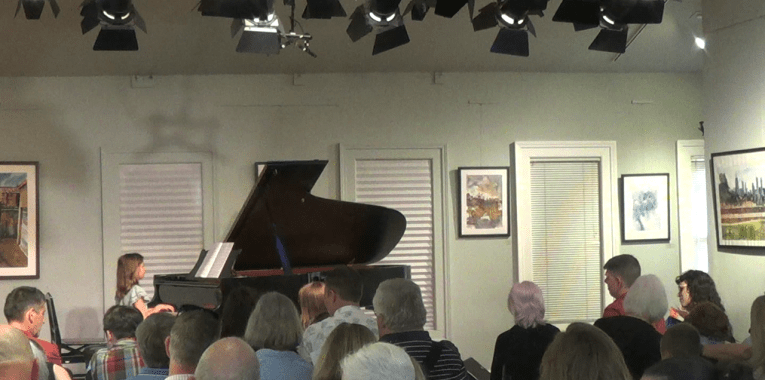
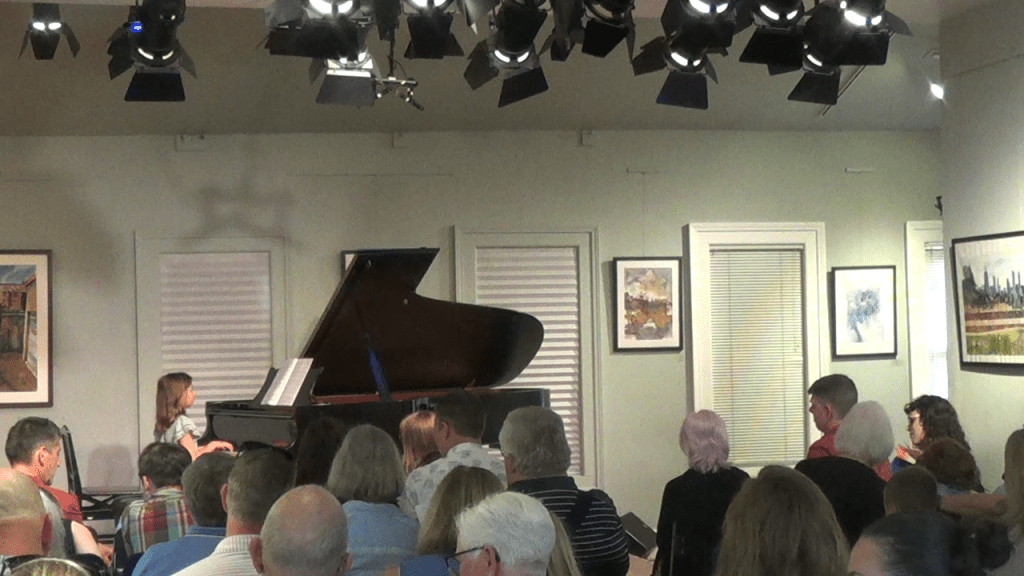
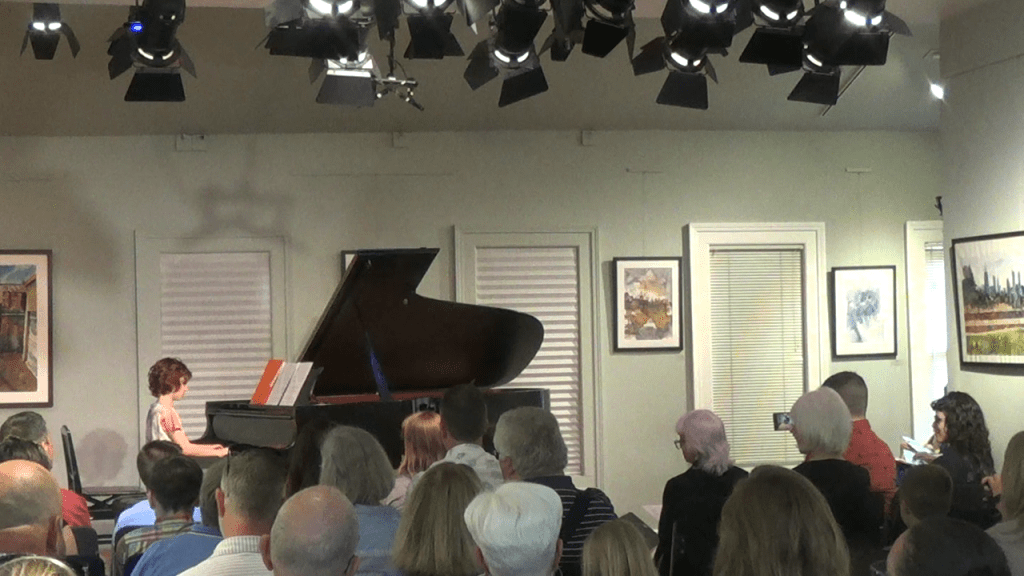
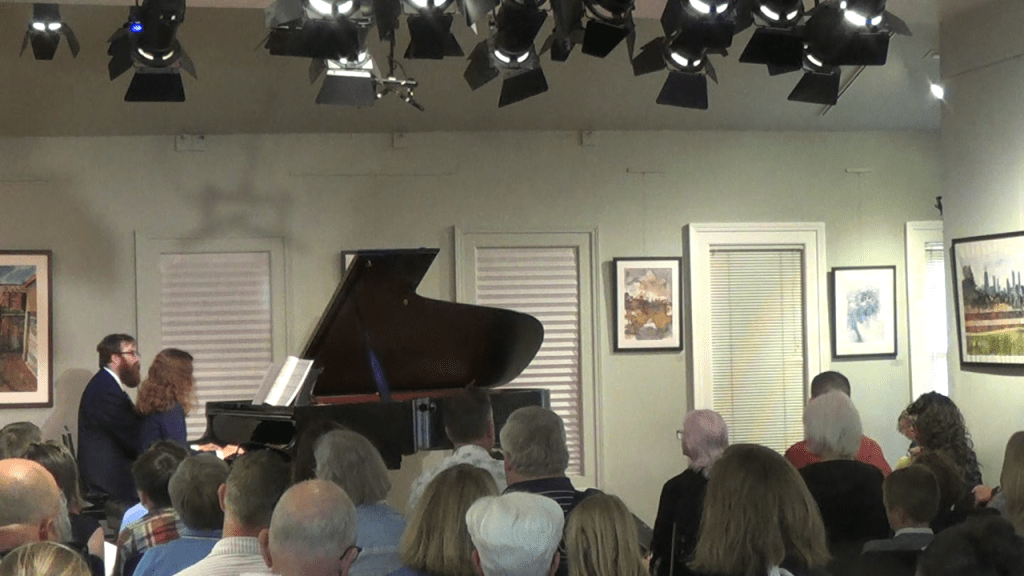
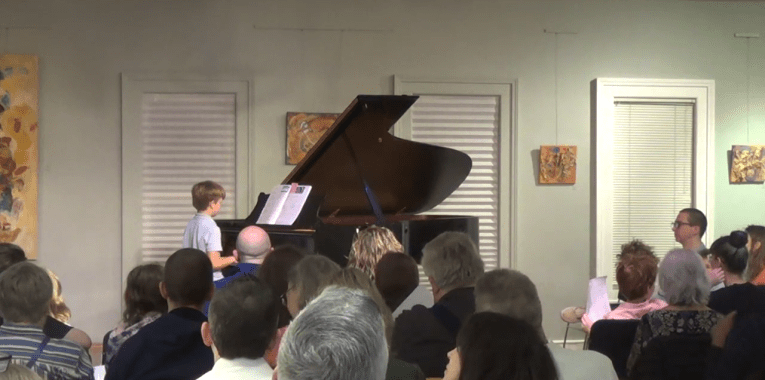
We had our Spring 2025 Recital yesterday, and I couldn’t be prouder of all my students! From beginners playing in their very first recital to graduating seniors preparing to take their next steps, each performance was full of heart and dedication.
Video highlights and individual performances will be posted here over the next few days—check back soon!
For now, here are a few behind-the-scenes snapshots from the big day:
Thank you to everyone who came out to support our performers!
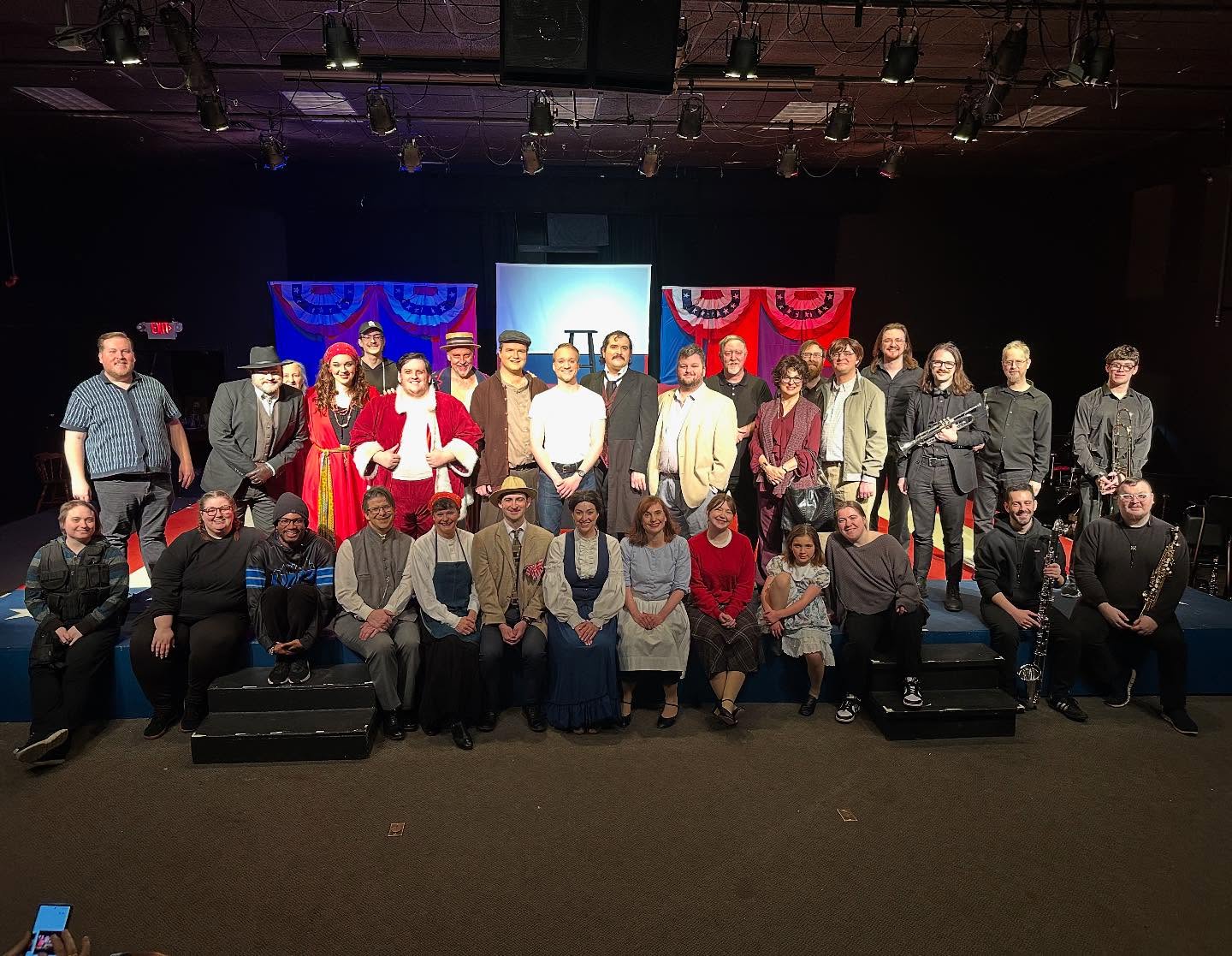
Just wrapped up an amazing run of “Assassins”—my first production with Horizon Performing Arts! So grateful to everyone who helped make this show such a success. I had a great experience, and am so glad to have been a part of this incredible team!
Our 2024 Halloween Studio Recital at Kerrytown Concert House was a fun and festive celebration of music! Students performed a mix of Classical pieces, popular tunes, and seasonal favorites, many dressed in creative costumes. The audience enjoyed a lively and engaging program, highlighting the progress and dedication of each performer. Thank you to all who participated and attended—we look forward to more wonderful performances ahead!
At the beginning of lessons, I almost always tell students to “just play.”
Sometimes I get met with resistance. After all, what if they have questions? What if they’re playing a new piece and they make a mistake?
But I feel like I’m doing students a disservice if I always give them all the answers upfront, or give them a pass just because something is hard or unfamiliar.
I often remind them I want them to be able to get along without me someday, and that that involves learning how to figure things out on their own and do their best.
Psychologists call this an “internal locus of control,” and I feel it’s an important thing to develop for success in music and in life.
The Mess Hall Challenge
In the book “Smarter, Faster, Better: The Transformative Power of Real Productivity” by Charles Duhigg, there’s a story about a group of Marine recruits tasked with cleaning their mess hall four weeks into their thirteen-week boot camp. The task was an exercise in developing self-reliance and problem-solving skills.
One day after lunch, the recruits were ordered to clean the boot camp mess hall without any instructions. They made mistakes—throwing away edible food, accidentally turning off the ice cream freezer, and misplacing utensils. Despite these errors, they completed the task, and even received praise afterwards for their efforts.
The reason for this exercise, and others like it, was to encourage the soldiers to begin to develop an internal locus of control. People with a strong internal locus of control believe they can influence their destiny through their own actions and decisions. This is contrasted with an external locus of control, where individuals feel that their lives are controlled by outside forces and chance.
General Charles C. Krulak revamped the Marine Corps’ training program to include tasks like these after observing that many new recruits lacked direction and drive, having spent their lives merely following instructions without ever taking initiative. By introducing tasks that required independent decision-making and by strategically praising recruits for overcoming personal challenges, the Marines aimed to instill a sense of agency and self-motivation.
A Personal Experience
One evening in 2015, I was music directing a theatre production and it came time to rehearse a particularly tricky trio. I knew this number would be challenging, and set aside half an hour for it on the schedule. Before the rehearsal, I prepared as thoroughly as I could, with specific ideas for cutoffs, tempos, and articulations. I gave the singers my notes in rehearsal and we ran through the number several times. But despite my detailed instructions, it just wasn’t coming together.
Finally, I told the three singers to rehearse on their own for a few minutes while I sat back and listened. That was when something interesting started to happen.
With no additional input from me, the three singers in the rehearsal began to take ownership of the music. They started experimenting, deciding how best to work on the “iffy” spots, and how many times to repeat things until they sounded right. The performance was stronger in the end because I let the performers make their own decisions about things like breathing, cutoffs, and tempo.
I realized then that sometimes leadership means not just giving instructions, but also stepping back and letting people figure things out for themselves.
Applying These Lessons
In my opinion, it’s never too early to start learning these skills.
In the beginning of their study, young children often ask innocent questions like, “What is my hand position?”
I’m usually reluctant to answer questions like these directly.
Instead, I’ll ask them a question in response such as, “Well, let’s figure it out. Can you tell me the name of the first right hand note and the first left hand note?”
It takes longer, but most students can usually arrive at the right answer with a little prompting. And more importantly, they learn that I’m not always going to give them all the answers.
Eventually, I’m hoping they’ll develop an internal locus of control and learn to look for the answers on their own.
Conclusions
If you come to work with me, you can rest assured that I won’t always give you all the answers.
What I will do, is do my best to give you the tools to find the answers yourself and help you learn to take ownership of your own continued development as a musician. This is the approach I believe will be most helpful in music and in life.
If you’re ready to get started or take the next step on your musical journey, I’m here to help! Whether you’re a complete beginner or looking to take your skills to the next level, I offer personalized piano lessons tailored to your individual goals and learning style. Reach out today, and let’s start making music together!
These are some of the comments I hear from students on a regular basis.
It’s upsetting, because a lot of the time when students say things like this, I can see the issues they’re having with their music, and often these issues are a lot simpler to fix than they realize.
But it’s harder for me to help students change the stories they tell themselves.
In the book Chatter: The Voice in Our Head, Why It Matters, and How to Harness It, Ethan Kross explores the pervasive and often disruptive inner dialogue that can dominate our thoughts. Kross, a renowned psychologist, delves into the science behind this internal dialogue (which he terms “chatter”), explaining how it can lead to stress, anxiety, and mental health challenges.
In the book, Kross identifies the factors that exacerbate negative self-talk and provides practical strategies to transform it into a tool for positive thinking and improved well-being. He highlights techniques such as distancing oneself from the chatter, reframing perspectives, and leveraging the power of rituals and social connections. Kross also emphasizes the importance of environment and mindset in managing inner dialogue.
I’m no psychologist, but I really believe that it does matter how we talk to ourselves. I always try to help my students reframe their inner monologue in ways that encourage growth and positive change.
So instead of, “I’m no good at rhythm,” maybe try saying:
“I’ve struggled with rhythm in the past, but I can get better.”
Instead of, “I always make that mistake,” perhaps:
“I’ve made that mistake before, but I’ll see if I can avoid it this time.”
Instead of, “This is too hard,” try:
“This is hard, but I’ll do my best.”
I have seen students turn it around with a shift in their thinking and go on to do things they didn’t think they could do. And that’s a wonderful thing to observe!
Here are some more statements to try when the voice in your head isn’t helpful:
I am a dedicated and talented musician.
Every practice session brings me closer to mastery.
I enjoy the process of learning and growing as a pianist.
Challenges are opportunities for me to improve and excel.
I am proud of my progress and excited for my future accomplishments.
My hard work and perseverance will pay off.
I play the piano with confidence and joy.
Mistakes are a natural part of my learning journey.
I have the ability to overcome any obstacle in my musical path.
I am patient with myself and trust the learning process.
I express my emotions beautifully through my music.
I am grateful for the support and guidance I receive from my teacher.
Each piece I learn enhances my skills and creativity.
I am committed to practicing regularly and with focus.
My unique musical voice is valuable and worth sharing.
I listen to and appreciate the music of others while cultivating my own style.
I celebrate my achievements, no matter how small.
I am continuously improving and evolving as a pianist.
I enjoy the challenges and triumphs of my musical journey.
I am a confident and expressive performer.
If you’re ready to get started or take the next step on your musical journey, I’m here to help! Whether you’re a complete beginner or looking to take your skills to the next level, I offer personalized piano lessons tailored to your individual goals and learning style. Reach out today, and let’s start making music together!
It’s a question I get asked a lot as a piano teacher. But maybe it’s not the question we really should be asking.
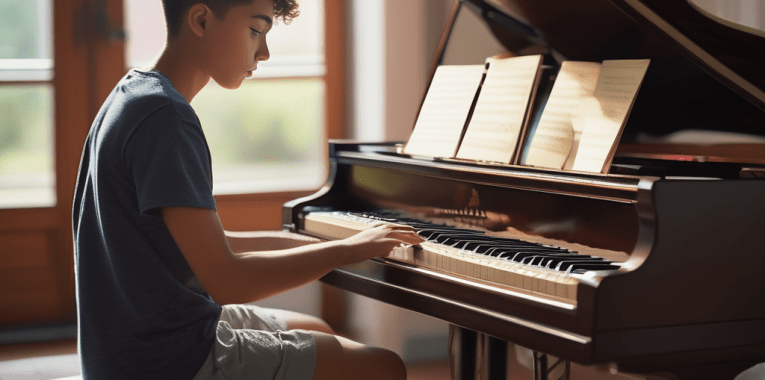
The book Atomic Habits by James Clear offers some fascinating insights into how we do or don’t form and maintain habits like daily piano practice. The author argues that motivation is “overrated,” and that other things, like environment and identity, matter just as much. If you’re getting started on your musical journey, or coming back to it after some time away, here are some tips to help you make the most of your piano practice and stick with it.
1. Use The Two-Minute Rule:
Practicing the piano for long stretches of time can seem daunting. Try using The Two-Minute Rule instead: commit to practicing for just two minutes each day. This makes it much easier to get started, and once you’re sitting at the piano, you’ll often find yourself practicing for much longer stretches of time.
2. Focus on Small Wins:
Remember to celebrate small wins along the way. Each new concept you master, each new element of technique you learn, each piece you finish, you’re one step closer to your goal. Know that each time you sit down at the piano, you’re on the road to musical success, and the road to musical success is ultimately paved with these small victories.
3. Embrace the Process:
Learning the piano is a journey, not a destination. Like any journey, it has its ups and downs. Embrace the process, and don’t get discouraged by setbacks. Look at every new challenge as an opportunity to learn and grow. If you’re further along now than you were when you started, that’s reason enough to be glad.
4. Optimize Your Environment:
Consider the environment around your piano. Is it clean and tidy and well-lit? Perhaps adorned with flowers, art, and/or photos of loved ones? Make your piano a place you want to spend time, ideally in a place you visit often anyway, such as a main room in your home. Anything that reduces friction–defined as the physical or mental effort required to perform a task–is worth implementing.
5. Redefine Your Identity:
Ultimately, the best and most lasting way to stick with your piano practice is to make it a part of your identity. When you see yourself as a “pianist,” rather than simply “a person who plays the piano,” practicing becomes less of a struggle and more of a natural extension of who you are. So, decide who you want to be, and then prove it to yourself every day with small wins.
If you’re ready to get started or take the next step on your musical journey, I’m here to help! Whether you’re a complete beginner or looking to take your skills to the next level, I offer personalized piano lessons tailored to your individual goals and learning style. Reach out today, and let’s start making music together!
I was honored to have my work featured in the Autism Awareness and Acceptance Show at Sweetwaters Cafe in Novi this month. The exhibition showcased the unique visions and voices of artists with autism, emphasizing the importance of inclusion, accommodation, and creating a supportive community for all.
Each piece of artwork in the exhibition is available for purchase, with proceeds going towards supporting individuals with special needs. I’m grateful to be part of an event that promotes such a meaningful message.
Check out these pictures from the show and join us in celebrating the incredible talents of these artists! You can order prints of my art and some of the other wonderful artists featured in the exhibition here:
Our Spring 2024 Studio Recital at Kerrytown Concert House was an outstanding showcase of our students’ hard work and talent! The recital featured 22 performers presenting a diverse repertoire, from Classical masterpieces to contemporary favorites. The audience of over 70 was thoroughly moved by the skill and dedication of each student. Thank you to all who attended and supported our students. Looking forward to more musical achievements in the future!
If you’re ready to get started or take the next step on your musical journey, I’m here to help! Whether you’re a complete beginner or looking to take your skills to the next level, I offer personalized piano lessons tailored to your individual goals and learning style. Reach out today, and let’s start making music together!











 Ezra Donner