
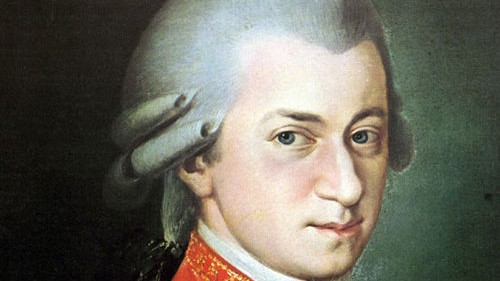
Melody.
Wolfgang Amadeus Mozart called it “the essence of music.”
One of the wonderful things about Mozart’s music is his unique gift for writing memorable, singable melodies. Some of Mozart’s tunes have genuinely become part of popular culture:
Mozart is one of the relatively small handful of composers who achieved success writing in nearly every genre of music from his time. His works include symphonies, concertos, sacred music, string quartets, piano sonatas, operas, and many other works which are still performed widely today.
Mozart composed his opera The Marriage of Figaro at the age of 30, when he was at the height of his fame. The reviewer for a newspaper in Prague wrote “No piece has ever caused such a sensation.”
Five years later Mozart died tragically at the age of 35. His Requiem, composed in the last year of his life and left incomplete at the time of his death, is a profound testament to suffering, sorrow, and eternity:
Despite the personal hardships he faced, Mozart’s music often sounds jovial and good-humored. His music is a reflection of the 18th-Century ideals of simplicity, elegance, and grace. In the 20th Century, the conductor George Szell added, “Listening to Mozart, we cannot think of any possible improvement.”
Let us close with another of Mozart’s immortal opera overtures. Here is the overture to The Magic Flute:
______________________________________________________________________________________
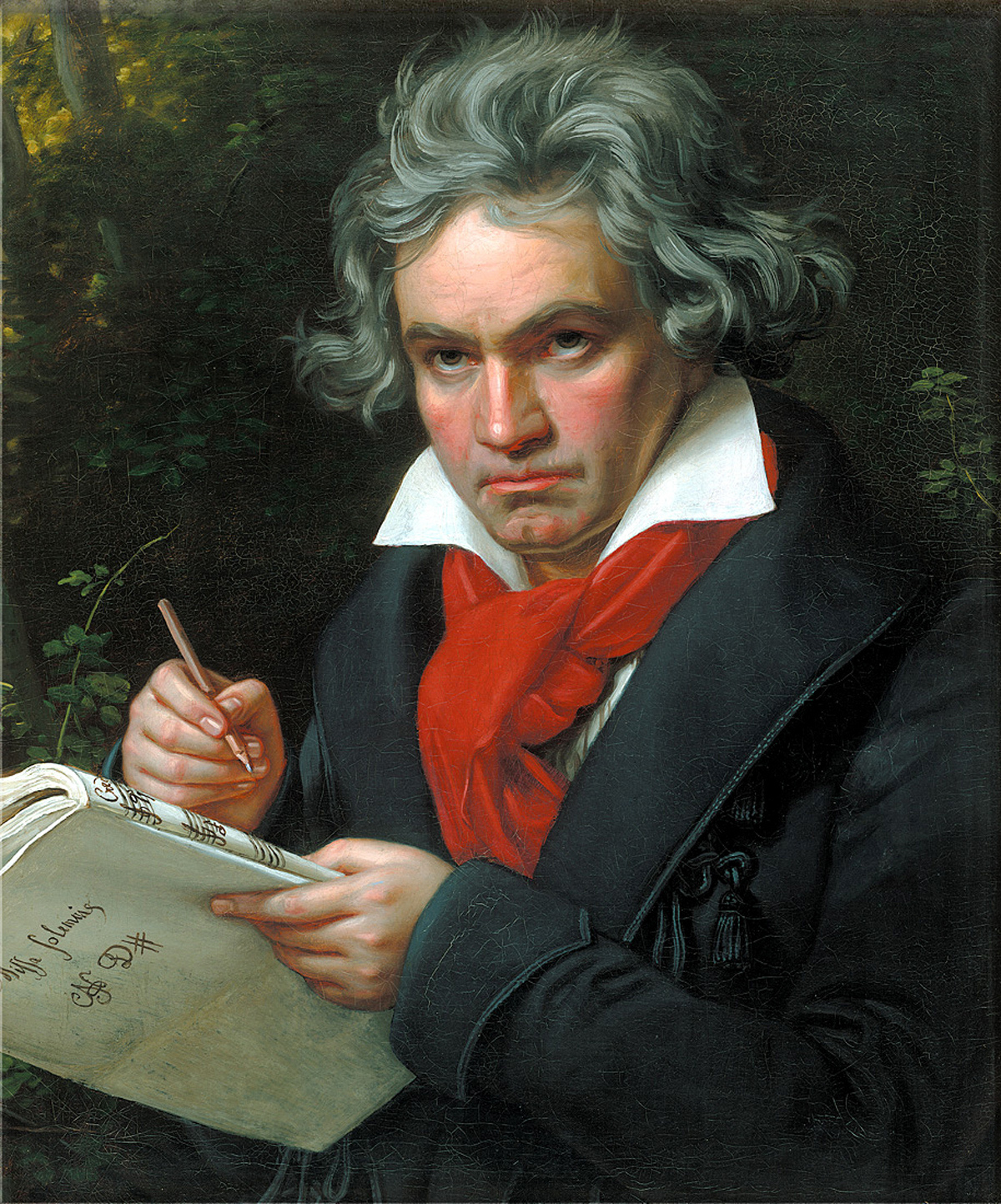
Next week:
Beethoven!

